The Night the Trapstar Hoodie Spoke

Under the Lamp-Post, Life Changed
It was just past midnight when I first heard about Trapstar.
Late shift, empty pavement, cold wind.
A silhouette turned the corner, hood up, head down, steps quiet.
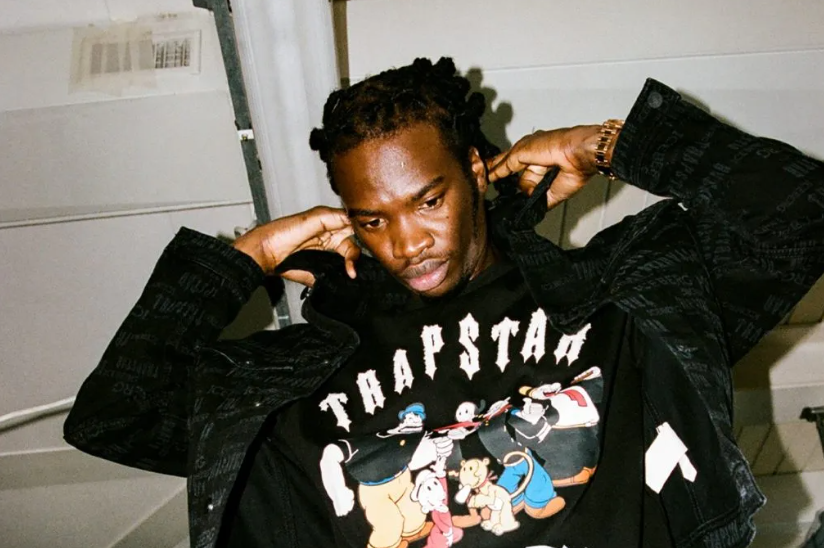
That Trapstar Hoodie caught light from a neon sign — just for a second — and stuck with me.
I didn’t chase a brand name. I felt something stirring in my chest: a reflection. A story may have been written before I even met it.
How a Hoodie Became a Lifeline
Not Fashion, But Familiarity
That hoodie wasn’t meant to stand out.
It was meant to belong.
I hunted one down secondhand — £50 that I barely had.
It was oversized, slightly stained, but it fit around me like a second skin.
In mornings when I felt distant from the world, I zipped it up and felt grounded.
That’s the strange part — an item of clothing reminding you who you are.
Trapstar’s Roots Were Raw
Born in Basement Studios, Not Branded-Offices
Trapstar never followed a checklist for branding.
It wasn’t packaged in boxes decorated with carefully designed logos.
It grew from basement prints, from denim shops and grime producers, from decisions made while the world looked the other way.
When new people discovered the brand, the Trapstar Hoodie already had weight — in reputation, in echo, in the lives it touched.
Everyday Voices Carry Its Truth
Real Speech, Raw Emotion
“I wore mine to my dad’s funeral. It felt like clinging to his memory.”—Zara, twenty-four, Brixton
“I’ve walked through court footage down my dresser because my hoodie meant more than those steel bars.” —Omar, eighteen, Streatham
These aren’t quotes from campaign interviews. They’re braced truths found on estates, in studios, late at night, when the mask drops.
The Trapstar Hoodie isn’t just a garment. It’s a backdrop for grief, protest, pride, and survival.
See also: Spider Hoodie & Sweatpants: How This Simple Fit Took Over My Closet (and Instagram)
How It Moves Through the Crowd
Code Without Words
Walk past someone in a hoodie. Might not mean much.
Walk past one in a Trapstar Hoodie — you feel a pulse. A sequence of knowing glances or respectful distance.
It’s not attention-seeking. It’s magnetic in silence.
You either feel the energy. Or you don’t.
Trapstar exists in nods and side-eyes, not filters.
Durability You Can’t Fake
Thick Cotton, Strong Seams, No Apologies
Every Trapstar Hoodie I’ve seen or worn withstands more than weather:
Long nights, hectic shifts, grief, sweat, tears.
And still it fits. Still sits clean.
Holes in the cuffs, faded print — these aren’t defects. They’re mementos.
Fast fashion cracks. Trapstar endures.
Growth Without Losing Soul
Global Reach, Local Heart
The brand went from bedroom drops to collabs with big labels.
It entered stores. It featured in magazine spreads.
But the Trapstar Hoodie didn’t change its cut. It didn’t soften its edge.
It leveled up without folding. The same gothic print. The same presence. The same grit.
What the Hoodie Means to People Now
In Their Words
- “It’s the only hoodie I kept when I had nothing else.” —Rhea, 25
- “When I zip it up, I remember resisting when I was ready to quit.” —Micah, 30
- “People stare until they realize: I didn’t buy it for clout.” —Lola, 21
That’s not product feedback. It’s identity feedback.
Trapstar Speaks louder in darkness
Quiet Power in Deep Black Fabric
The color scheme isn’t bright. It’s often grayscale, bruised reds, shadows.
The fonts aren’t flashy. The slogans aren’t trending hashtags.
It’s quiet. It’s steady. It’s a storm held in cotton.
You Don’t Wear Trapstar for Them
You Wear It for You
I’ve watched people walk past with mild curiosity.
I’ve watched others nod, point, or even reach out in solidarity.
Most of all, I’ve worn it through seasons of grief and resistance — and it never slipped.
It didn’t need applause. It only needed authenticity.
Final Reflection—A Brand Lives Through Its People
Not Fashion, But Lifeline
When everything changed — sorrow, money gone, opportunity vanished — I never took it off.
That’s when I knew it wasn’t just gear. It was personal.
Trapstar didn’t build a brand so much as build a mirror.
And each person who wore it saw something in that reflection: resilience, presence, refusal to be erased.