Beyond the Basics: Why Formal CPR Training Is Essential

Introduction
CPR (Cardiopulmonary Resuscitation) is a critical life-saving skill that everyone should learn. While many people have a basic understanding of CPR, formal CPR training takes it beyond just knowing the technique—it equips you with the knowledge, skills, and confidence needed to respond effectively in an emergency. Whether you’re in the healthcare field, a parent, a teacher, or someone who simply wants to be prepared, formal CPR training can make a life-saving difference. Get certified today and be prepared to act quickly in case of an emergency.
The Importance of Formal CPR Training
When a person’s heart stops beating or they stop breathing, immediate action is crucial. CPR helps to keep blood flowing to vital organs and buy time until medical professionals arrive. However, in an emergency, performing CPR incorrectly or too slowly can lead to further harm. Here’s why formal training is essential:
1. Proper Technique
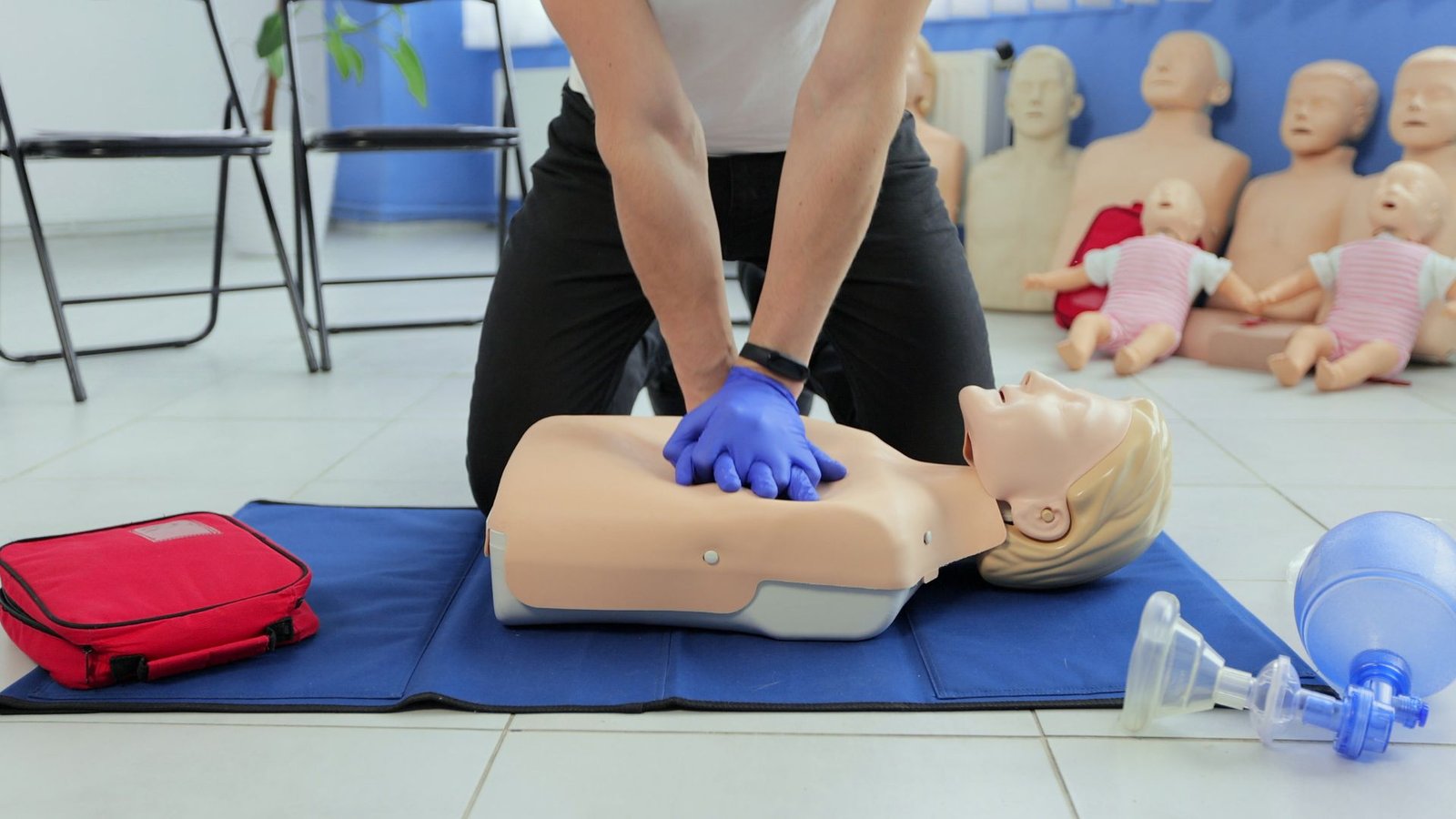
Knowing the right technique is key to performing CPR effectively. In formal training, you’ll learn:
- The correct hand placement for chest compressions to maximize blood flow.
- The proper depth and rate for chest compressions.
- How to perform rescue breaths (if necessary) and when they’re required.
- How to use an AED (Automated External Defibrillator) effectively to restart the heart.
Without formal training, you might hesitate or perform CPR incorrectly, which could reduce the person’s chances of survival.
2. Building Confidence
In an emergency situation, it’s easy to panic, especially if someone’s life is at stake. Formal CPR training prepares you mentally and physically, helping you stay calm and take immediate action.
By practicing CPR in a structured, supportive environment, you can build the confidence needed to respond when an actual emergency occurs. This confidence can make a significant difference in the outcome.
3. Adapting to Different Situations
Not all CPR situations are the same. There are differences in CPR techniques for adults, children, and infants, as well as for people with specific conditions. Formal CPR training teaches you:
- How to adapt chest compressions for different ages and body types.
- How to handle special cases, such as drowning victims or people with breathing difficulties.
- When and how to perform additional life-saving steps beyond just chest compressions.
These variations are crucial for providing the best care in various scenarios.
CPR Training Goes Beyond Technique
While learning the technical steps of CPR is important, formal CPR training covers other critical areas:
- Recognizing when to call for help: It’s important to know when to call emergency services and when to act on your own.
- Teamwork and delegation: In situations where multiple people are present, training helps you understand how to delegate tasks, such as calling for help, administering CPR, and using an AED.
- Post-CPR care: Training includes understanding how to support the victim after performing CPR and how to monitor vital signs until emergency responders arrive.
The Impact of Formal CPR Training on Survival Rates
Studies have shown that when CPR is administered quickly and correctly, the survival rate for sudden cardiac arrest can be doubled or even tripled. According to the American Heart Association, for every minute that passes without CPR or defibrillation, the chance of survival decreases by 7-10%.
Formal CPR training significantly improves the likelihood of effective intervention, leading to higher survival rates and better outcomes. By being trained, you are equipped to make a life-saving difference when every second counts.
How Formal CPR Training Helps You and Your Community
Formal CPR training isn’t just beneficial for you—it has a ripple effect on your community. As more people become trained, the overall safety of your community increases:
- Workplace safety: Many employers require CPR training for employees in roles that involve working with the public or in high-risk environments.
- Home safety: Parents, caregivers, and individuals who spend time with children, elderly people, or those with health conditions can benefit from knowing how to respond in an emergency.
- Public safety: In a crowded public space, having trained individuals ready to respond can save lives during unforeseen emergencies.
How to Get Certified in CPR
Getting certified in CPR is easier than you think. Online training options make it convenient for anyone to get certified from the comfort of their own home. Here’s how it works:
- Sign up for a course: Visit CPR NOW to choose the CPR certification course that fits your needs.
- Complete the training: Work through the course material at your own pace, watching instructional videos and completing interactive exercises.
- Pass the exam: After completing the training, you’ll take a short quiz to test your knowledge.
- Get certified: Once you pass the exam, you’ll receive your CPR certification, which is typically valid for two years.
This process is quick and efficient, ensuring you’re prepared to act in an emergency.
Conclusion
Formal CPR training goes beyond learning how to perform chest compressions—it gives you the skills, confidence, and understanding needed to make a life-saving difference in emergencies. Whether at home, at work, or in public, knowing CPR and when to use an AED is crucial. Get certified today with CPR NOW and ensure that you are always ready to act when every second counts.