Step-By-Step Digital Marketing Plan For Small Businesses On A Budget

The challenges of running a small business are many, and the cost of marketing is often high. The good news: you don’t require a large budget to establish a strong web presence. With the right approach and consistent effort, smaller businesses can compete with large brands. This step-by-step marketing plan will help attract customers, expand your reach, and boost sales without going overboard.
Step 1: Set Clear Marketing Objectives
Set realistic and clear objectives before beginning any marketing activity. Ask yourself what your goals are. You may be looking to increase your website traffic, improve sales, increase phone calls, and/or better brand awareness. Your goals need to be specific and measurable. If you want to gain 100 subscribers or increase the number of website visits by 20% within three months, for example, set a goal.
Step 2: Identify Your Target Audience
Knowing your audience and their needs is vital. It is important to know your target audience, including age, location, interest, and buying behaviour. This aids in producing campaigns or material that are suited to the requirements of your target clients. When you are familiar with your audience, it is easier to avoid spending money on people who are not interested in the product or service.
Step 3: Build A Simple, User-Friendly Site
It’s the foundation for your digital marketing. It should load quickly and look professional. It also needs to work on mobile devices. Include clear contact details, an effective call to action, and easy navigation. If you do not want to hire developers, you can use website builders that are affordable. Make sure you explain clearly your services on your website and that it answers the most common questions of your customers.
Step 4: Focus On Search Engines
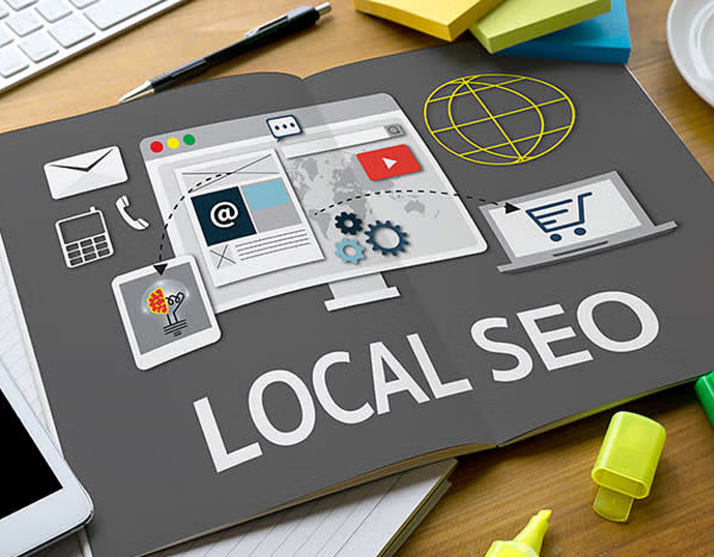
SEO is a way to make your website more visible when people search for services. Use natural keywords to describe your business. Optimize your page titles, headings, and meta descriptions. Create useful blog posts to answer customer questions. Local SEO plays a vital role. Claim Your Google Business Profile. Encourage customers to leave Reviews.
When you are working on your SEO, it may be worth considering hiring a Denver seo company to help with your efforts. A local expert will help you improve your rankings and visibility for local searches. This can be very beneficial for small businesses.
Step 5: Create Valuable Content
Nowadays, content marketing is a cost-effective and potent technique. Write blog entries, make short films, or provide helpful advice. If you resolve their issues, your audience will be grateful for your efforts. Good content creates trust and makes you look like an expert. You do not require expensive equipment. Start with a simple smartphone and editing tools.
See also: Streamlining Your Business Finances With Technology Expense Management Software
Step 6: Use Social Media With Care
Pick one or two social networks where your audience is the most active. Post regularly and interact with followers. Reply to comments or messages. Share behind-the-scenes content and customer stories. Social media is an easy way to engage your audience and develop brand loyalty. Avoid trying to be everywhere, as this could become overwhelming.
Step 7: Start Email Marketing
The effectiveness of email marketing has been shown. Email signups can be rewarded with something valuable, like a guide or discount. Send regular email updates with new promotions or useful content. Keep your emails brief and friendly. Personalizing emails with the customer’s name can improve open rate.
Step 8: Run Low-Budget Paid Ads
If you only have a limited budget, make sure to use it well. Start with a modest daily budget and use platforms like Google Ads. Focus on a certain audience, rather than all. Test different ads and determine which messages work best.
Step 9: Track Performance And Make Adjustments
You may monitor your success with the use of free resources like Google Analytics. Monitor website traffic as well as social media engagement. Email open rates are also monitored. What works? You may need to adjust your strategy if it isn’t producing results. Digital marketing offers flexibility, so you are able to make changes over time without spending extra money.
Step 10: Remain Consistent & Patient
Digital marketing requires patience. Do not expect instantaneous outcomes. Be consistent with your learning and efforts. Keep up with industry blogs, check out free tutorials, and try new ideas. Small improvements every week add up to big results in time.
Conclusion
Even if you have a small budget, it shouldn’t prevent you from promoting your business on the internet. You may create a powerful online presence by establishing objectives, determining your target market, and using inexpensive strategies like SEO, social media, and content marketing. Stay focused and track your progress. You can then adapt your strategy. Small businesses are able to achieve impressive results using digital marketing with patience and smart preparation.