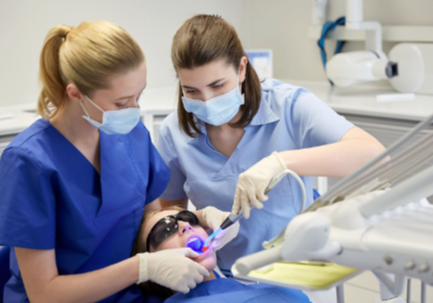
Emergency Dentistry Negligence: Identifying Common Trauma-Related Errors

Dental emergencies can strike without warning, often leaving patients in pain and vulnerable. From severe toothaches to traumatic injuries caused by accidents, prompt intervention is crucial to preserve oral health and prevent long-term complications. However, emergency dentistry is a high-pressure environment where mistakes can happen, and these errors may result in negligence claims if proper standards of care are not met. Understanding common trauma-related errors can help patients recognize when professional misconduct may have occurred and ensure they receive appropriate treatment.
Trauma-related dental injuries vary widely, ranging from chipped or fractured teeth to complete avulsion, where a tooth is entirely knocked out. In these cases, time-sensitive care is critical. For example, reimplanting an avulsed tooth within 30–60 minutes significantly increases the chances of successful reintegration. Delays, improper handling, or inadequate storage of the tooth can lead to permanent loss, potentially forming the basis for a negligence claim.
One frequent area of concern in emergency dentistry is misdiagnosis or delayed diagnosis. Not all dental trauma is immediately visible on the surface; fractures below the gum line or root fractures may be overlooked without proper imaging or examination. If a dentist fails to detect underlying damage, patients may experience chronic pain, infection, or further deterioration of the affected teeth. Proper diagnostic protocols, including X-rays and careful assessment of the trauma site, are essential to avoid these preventable complications.
Seeking treatment from like this trusted emergency dentist in the Sydney CBD is one of the most effective ways to reduce the risk of errors. Professionals in emergency dentistry are trained to handle urgent trauma cases with proper equipment, protocols, and referral networks. These dentists prioritize accurate diagnosis, timely intervention, and patient safety, which are essential in preventing trauma-related negligence.
Incorrect or substandard treatment is another common error. Emergency procedures often require swift action, but speed should never compromise quality. Errors such as improper tooth reattachment, insufficient stabilization with splints, or failure to prescribe necessary antibiotics can result in poor outcomes. For instance, a tooth that is inadequately stabilized after trauma may shift or loosen, causing long-term functional and aesthetic issues. Similarly, incomplete treatment of soft tissue injuries can increase the risk of infection or scarring.
Communication breakdowns also contribute to trauma-related negligence. Patients may be given incomplete instructions regarding post-treatment care, such as dietary restrictions, oral hygiene practices, or follow-up appointments. In emergency settings, verbal explanations may be rushed, leading to misunderstandings that compromise healing. Clear, documented guidance is a crucial aspect of emergency dental care and reduces the risk of adverse outcomes.
See also: Why ABA Billing Services Are Essential for Patient Satisfaction and Financial Health
In some cases, failure to refer to a specialist when necessary can constitute negligence. Certain injuries, particularly complex fractures or jaw dislocations, require the expertise of an oral surgeon or other specialist. If a general dentist attempts procedures beyond their competence or neglects to refer the patient promptly, it can exacerbate the injury and leave the patient with preventable complications. Recognizing the limits of one’s expertise is a key responsibility for emergency dental practitioners.
Patients should also be aware of medication errors in trauma management. Pain relief, anti-inflammatories, and antibiotics are often prescribed in emergency situations, but incorrect dosages, contraindications, or failure to check for allergies can lead to serious harm. These errors, though sometimes overlooked, are a significant component of dental negligence claims, especially when they result in systemic reactions or prolonged suffering.
Despite best efforts, mistakes can occur, and patients may experience avoidable harm. Understanding the common type of negligence claimed against a dental practitioner helps victims recognize when they may have grounds for legal recourse. Negligence claims typically focus on substandard care, failure to follow protocols, misdiagnosis, and inadequate communication, all of which are particularly relevant in high-pressure emergency scenarios. Awareness of these issues empowers patients to seek accountability while also highlighting the importance of choosing experienced dental professionals for urgent care.
Emergency dentistry is a critical service, bridging the gap between sudden trauma and long-term oral health. By recognizing the most frequent types of errors—misdiagnosis, improper treatment, lack of communication, delayed referrals, and medication mistakes—patients and practitioners alike can work together to minimize risks. Choosing qualified, reputable emergency dentists ensures that trauma injuries are managed effectively, reducing the potential for negligence claims and protecting patients’ smiles for years to come.