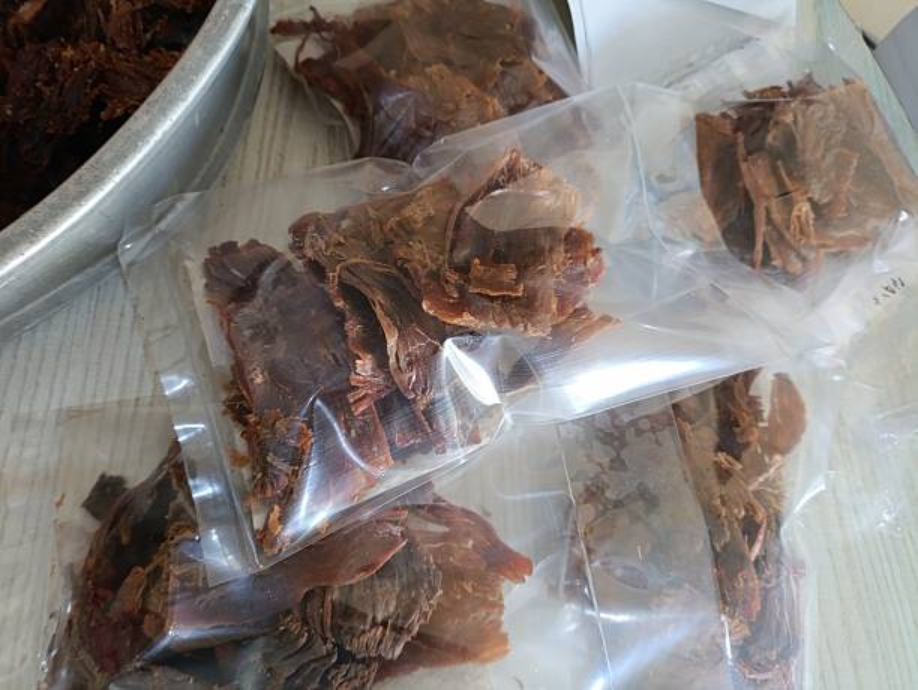
Beef Lung for Cat Food: A Natural, Protein-Rich Treat for Feline Health

As cat owners become more aware of what goes into commercial pet food, there has been a noticeable shift toward simpler, more natural ingredients that align with a cat’s biological needs. Cats are obligate carnivores, meaning their bodies are designed to thrive on animal-based nutrition. Because of this, organ meats have gained renewed attention in feline diets, particularly as treats and supplemental foods. One organ that is increasingly popular is beef lung.
Beef Lung for Cat Food are valued for their high protein content, natural texture, and minimal processing. When prepared correctly, beef lung can be a safe, enjoyable, and nutritionally supportive treat for cats. This article explores what beef lung is, why it works well as cat food or treats, how it compares to other organ meats, and how to feed it responsibly.
What Is Beef Lung?
Beef lung is an organ meat harvested from cattle. Unlike muscle meat, organs are metabolically active tissues and contain a different nutritional profile. Lung tissue is lightweight, porous, and naturally low in fat while still being rich in animal protein. When processed for pets, beef lung is most commonly freeze-dried or dehydrated to remove moisture while preserving nutrients.
Once dried, beef lungs become airy and crunchy, making it easy for cats to chew and digest. This texture is one of the reasons it is often chosen as a treat rather than a meal replacement. It offers sensory enrichment without excessive calories, which is particularly useful for indoor cats or cats prone to weight gain.
Why Beef Lung Is Suitable for Cats
Cats are hunters by nature. In the wild, they consume whole prey, including muscle meat, bones, and organs. Feeding organ meats like beef lung reflects this natural eating pattern more closely than highly processed treats.
High-Quality Animal Protein
Protein is the foundation of a healthy feline diet. Beef lung provides concentrated animal protein that supports muscle maintenance, energy production, immune health, and overall vitality. Unlike plant-based proteins, animal protein contains the amino acids cats require to survive and thrive.
Low Fat Content
Compared to many other organ meats, beef lung is relatively low in fat. This makes it suitable for cats that need lighter treats or are managing their weight. While cats do require fat in their diet, treats should not be overly rich, and beef lung strikes a good balance.
Minimal Ingredients
High-quality beef lung treats are typically made from a single ingredient: beef lung. There are no grains, artificial flavours, preservatives, or fillers. This simplicity reduces the risk of food sensitivities and makes beef lung a good option for cats with allergies or digestive sensitivities.
Natural Palatability
The natural aroma and taste of beef lung are highly appealing to cats. Many cats show strong interest in organ-based treats because they resemble the scent and texture of prey. This makes beef lung especially useful for picky eaters or as a high-value reward.
See also: Why ABA Billing Services Are Essential for Patient Satisfaction and Financial Health
Nutritional Value of Beef Lung
While beef lung is not a complete and balanced meal on its own, it does contribute beneficial nutrients when used appropriately.
Beef lung contains:
- High levels of digestible animal protein
- Essential amino acids
- Trace minerals such as iron and zinc
- Natural enzymes that support digestion
Unlike liver, beef lung does not contain extremely high levels of fat-soluble vitamins, which means it can be fed more freely as a treat without the same risk of vitamin toxicity. However, moderation is still essential.
Beef Lung Compared to Other Organ Meats
Organ meats are not all nutritionally identical. Each organ plays a different role in the body and therefore provides different nutrients.
Beef Lung
Beef lung is light, low-fat, and high in protein. It is best used as a treat or training reward rather than a primary nutrient source.
Liver
Liver is extremely nutrient-dense and rich in vitamins A and B12. While beneficial in small amounts, too much liver can lead to vitamin A toxicity in cats.
Heart
Heart is technically a muscle but is often grouped with organs. It is rich in taurine, an essential amino acid for cats that supports heart and eye health.
Kidney
Kidney contains valuable minerals and enzymes but has a stronger taste that some cats may not enjoy.
Beef lung stands out because it is less intense nutritionally, making it safer for frequent treat use compared to richer organs like liver.
Freeze-Dried vs Dehydrated Beef Lung
The way beef lung is processed plays a significant role in its quality and safety.
Freeze-Dried Beef Lung
Freeze-drying removes moisture at very low temperatures. This method preserves the natural structure, flavour, and nutrients of the meat. Freeze-dried beef lung is light, crisp, and easy to break into smaller pieces. It closely resembles raw meat in nutritional value but is shelf-stable and safer to handle.
Dehydrated Beef Lung
Dehydration uses low heat over an extended period to remove moisture. Dehydrated beef lung tends to be slightly denser and chewier than freeze-dried versions. While still nutritious, some heat-sensitive nutrients may be reduced during the drying process. For this reason, many cat owners prefer Wild Instinct Pet Freeze-Dried Beef Lung Cat Treats, as the freeze-drying method helps retain more of the natural protein, flavour, and nutritional integrity of the beef lung.
Both options can be suitable for cats, but freeze-dried beef lung is often preferred for maximum nutrient retention and ease of digestion.
Is Beef Lung Safe for Cats?
When sourced and prepared correctly, beef lung is generally safe for cats. However, there are important guidelines to follow.
Feed in Moderation
Beef lung should be offered as a treat, not a replacement for complete cat food. Treats should make up no more than ten percent of a cat’s daily calorie intake. Overfeeding treats, even healthy ones, can lead to nutritional imbalance.
Introduce Gradually
If your cat has never eaten organ meat before, start with a very small amount. Monitor for any signs of digestive upset such as vomiting, loose stools, or changes in appetite.
Choose Cat-Appropriate Sizes
Some beef lung treats are made primarily for dogs and may be too large or tough for cats. Always break treats into small, manageable pieces to reduce choking risk.
How to Feed Beef Lung to Your Cat
Beef lung treats are versatile and can be used in several ways.
You can offer small pieces by hand as a reward, crumble them over meals to encourage eating, or use them during training or enrichment activities. Their strong aroma makes them especially effective for reinforcing positive behaviour.
Always ensure fresh water is available, particularly when feeding dried treats, as they contain very little moisture.
Beef Lung and Raw-Inspired Feeding
Many cat owners are interested in raw or prey-based feeding. Beef lung treats fit well into this philosophy without the risks associated with handling raw meat. Freeze-dried beef lung offers a compromise between raw nutrition and food safety, providing many of the benefits of raw feeding in a more convenient format.
While raw diets can be nutritionally appropriate when carefully balanced, they require knowledge and planning. Treats like beef lung allow pet owners to introduce natural animal components without fully committing to a raw diet.
Which Cats Benefit Most from Beef Lung Treats?
Beef lung treats are suitable for most healthy adult cats. They are particularly helpful for:
- Picky eaters who need high-value motivation
- Overweight cats that require low-fat treats
- Cats on limited-ingredient diets
- Owners seeking minimally processed, natural treats
Kittens, senior cats, or cats with medical conditions should be introduced to new treats only with veterinary guidance.
Final Thoughts
Beef lung is a simple, natural, and biologically appropriate treat option for cats. Its high protein content, low fat levels, and minimal processing make it an excellent choice for pet owners who want to move away from artificial or heavily processed snacks.
When freeze-dried or dehydrated correctly, beef lung provides cats with a crunchy, flavourful treat that supports their natural instincts and dietary needs. Like all treats, it should be fed in moderation and as part of a balanced diet.
By choosing high-quality beef lung treats and using them responsibly, cat owners can add variety, enrichment, and nutrition to their cat’s daily routine while staying aligned with a carnivore-focused approach to feline health.