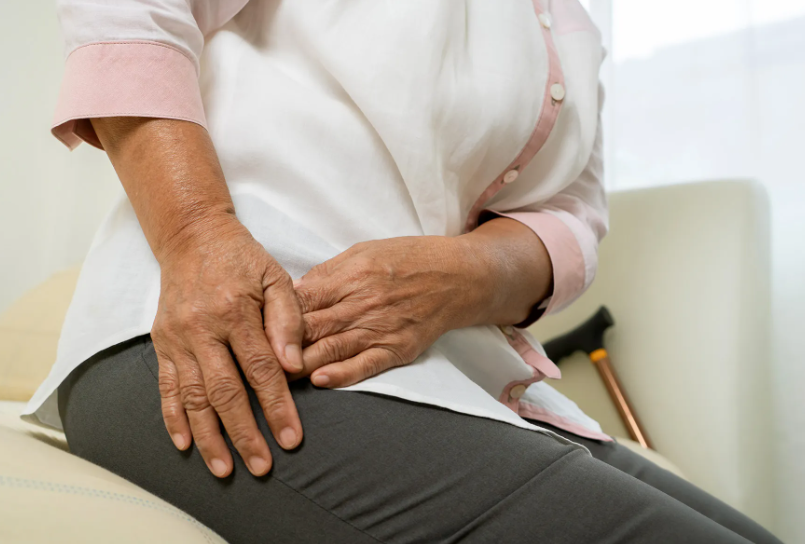
A Guide to Managing Persistent Hip and Leg Pain

Persistent hip and leg discomfort can interrupt daily routines and reduce overall well-being. Many people find these aches troubling, especially when simple movements become difficult. Identifying causes and learning effective management strategies can help regain comfort and restore mobility. This guide offers practical steps and insights for handling ongoing pain in these areas.
Common Causes of Discomfort
Hip and leg pain can be very diverse when it comes to causes. Common causes include arthritis, muscle strains, nerve irritation, and overuse. Sometimes, posture or alignment issues ignite prolonged soreness. However, it is important to understand the underlying reason while deciding how to relieve hip and leg pain.
Recognizing Warning Signs
Certain symptoms imply that the pain will need to be further analyzed. We should not ever ignore numbness, tingling, swelling, or sudden weakness. If the pain is so bad that the ability to sleep or continue a daily task becomes hard, it may be a sign of a bigger problem. Early treatment usually prevents more severe symptoms and makes a complete recovery quicker.
Effective Home Remedies
You can take some simple measures to alleviate the discomfort before going in for a specialized treatment. By resting the injured body part, you give the tissues some time to heal. Cold packs minimize swelling, while mild heat helps ease tight muscles. They sometimes relieve soreness or stiffness.
Stretching and Gentle Activity
Movement maintains flexibility in joints and strength in muscles, and overexertion increases pain. Light stretches help with movement and recovery. Quick walks or easy workouts frequently enhance circulation and help keep your muscles balanced. Never make jerky, forced motions that will worsen symptoms.
Posture and Body Mechanics
Correct posture will help relieve stress on the hips and legs. Feet planted on the ground assist with good posture and maintain an upright position. Maintaining an even weight distribution by leading an active lifestyle and wearing supportive sports footwear is crucial. Along with this, a small work setup change can eliminate unnecessary joint stress.
When to Seek Professional Help
If the discomfort is persistent, you may need to see a healthcare provider. Health history and physical examinations can often help professionals to identify specific causes. Occasionally, imaging makes clear what the source of pain is. A definitive diagnosis guides the most effective treatment plan.
See also: Why ABA Billing Services Are Essential for Patient Satisfaction and Financial Health
Treatment Options
Another treatment frequently recommended by medical specialists is called physical therapy; it employs a range of motion workouts to assist with muscle strengthening and movement of joints. Sometimes medications work to reduce inflammation or treat an injured nerve. Braces, orthotics, or other supportive devices can take the weight off and improve the function.
Surgical Interventions
In severe cases or the ones that do not respond to other types of treatment, an operation will be needed. Some surgeries are simple, while others involve joint replacement. Surgical recovery usually involves rehabilitation, which is aimed at strengthening and increasing flexibility. Most patients have an excellent outcome following surgical treatment.
Lifestyle Modifications
Maintaining a healthy weight reduces stress on lower-body joints. Eating a balanced diet supports muscle and bone health. Regular, low-impact exercise such as swimming or cycling keeps joints moving without excess strain. Avoiding smoking and limiting alcohol consumption also promotes healing and reduces inflammation.
Emotional Well-Being and Support
Mild or chronic discomfort can take a toll on mood and overall emotional health. Having friends, family, or support groups who motivate positive coping is beneficial. Practices like meditation or breathwork are also ways to address stress that may be associated with the healing or resiliency process that includes pain. Maintaining connections with friends and family fortifies the fragile social bonds that bind us together during challenging times.
Prevention Strategies
Staying strong is the first step to avoiding future back pain. Regular movement, warm-up practices before activity, and listening to one’s body minimize the risk of injury. Wearing supportive shoes and using proper lifting techniques also prevents joint and muscle damage.
Conclusion
Persistent hip and leg discomfort affects many people, but practical steps and support can make a difference. Early recognition and prompt care often prevent worsening symptoms. By combining home remedies, medical advice, lifestyle changes, and emotional support, individuals can improve comfort and regain an active life. Regular self-care and attention to warning signs ensure lasting relief and ongoing mobility.