Pretty Privilege Explained: How Looks Shape Opportunities

Society often promotes the idea that success is based purely on merit, skill, and hard work. While these factors are undeniably important, an unconscious bias often gives certain individuals an edge. This phenomenon, known as “pretty privilege,” refers to the societal advantages people receive based on their physical attractiveness. It is a subtle but powerful force that can influence everything from career prospects to social interactions.
Understanding pretty privilege is not about diminishing anyone’s accomplishments. Instead, it is about acknowledging the complex and often invisible ways that appearance can shape opportunities. This article breaks down the concept, exploring how it functions and the impact it has on various aspects of life.
The Science Behind First Impressions
Human brains are wired to make quick judgments. These snap assessments, formed in milliseconds, are often based on physical appearance. This is a holdover from our evolutionary past, where quickly identifying health and vitality was a survival mechanism. Today, this cognitive shortcut leads to what is known as the “halo effect.”
What is the Halo Effect?
The halo effect is a type of cognitive bias where our overall impression of a person influences how we feel and think about their character. If someone is perceived as attractive, we are more likely to assume they are also intelligent, kind, and competent. This positive first impression can set the stage for more favorable treatment in numerous situations, often without anyone consciously realizing it.
Pretty Privilege in the Professional World
The workplace is one of the most documented areas where pretty privilege manifests. From the hiring process to promotions and salary negotiations, appearance can play a significant role.
Getting Hired and Getting Ahead
Studies have shown that individuals perceived as more attractive are more likely to be hired and receive higher starting salaries. They are often seen as more capable and confident during interviews. This advantage can continue throughout a person’s career, with attractive employees sometimes being more likely to receive promotions and better performance reviews. The perception of competence linked to appearance can create a self-fulfilling prophecy, as these individuals receive more opportunities to prove their skills.
The Power of a Confident Appearance
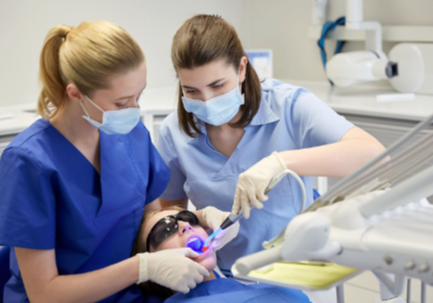
Certain features, like a bright and healthy smile, are often associated with confidence and success. This is why many professionals invest in their appearance, from their wardrobe to their dental health. For example, seeking out a skilled cosmetic dentist in Honolulu or any other major city is not just about aesthetics; it is about presenting an image of polish and self-assurance that can be advantageous in a competitive professional landscape.
See also: Why ABA Billing Services Are Essential for Patient Satisfaction and Financial Health
Social and Interpersonal Advantages
The influence of pretty privilege extends far beyond the office. It can shape social dynamics, romantic relationships, and even how people are treated in everyday public life.
Building Social Capital
Attractive individuals often find it easier to build social networks. They may be perceived as more approachable and trustworthy, leading to more positive interactions. This can result in a larger circle of friends and acquaintances, which provides a broader support system and more opportunities for personal and professional connections.
In the Eyes of the Justice System
The impact of appearance can even be seen in legal settings. Research suggests that attractive defendants may receive more lenient sentences than their less attractive counterparts for similar crimes. This indicates that the halo effect can have profound and serious consequences, influencing judgments where objectivity should be paramount.
The Other Side of the Coin
While pretty privilege offers clear advantages, it can also come with downsides. People who are considered highly attractive sometimes find that their intelligence or skills are overlooked. Their accomplishments may be attributed to their looks rather than their hard work. Additionally, there can be immense pressure to maintain a certain appearance, which can take a toll on mental health and self-esteem.
Moving Beyond Appearance
Recognizing the existence of pretty privilege is the first step toward mitigating its effects. Promoting awareness of unconscious bias in hiring and social interactions can help create a more level playing field. Emphasizing skills, character, and competence over physical appearance allows for a more equitable assessment of an individual’s worth. By consciously challenging our initial judgments, we can start to dismantle the subtle hierarchies that appearance-based biases create.
Conclusion
Pretty privilege is a complex social dynamic woven into the fabric of our society. It demonstrates how deeply ingrained biases about beauty can shape real-world outcomes, granting unearned advantages in professional, social, and even legal contexts. By understanding how this phenomenon works, we can become more mindful of our own perceptions and work toward a future where opportunities are based on merit and character, not just on how someone looks.