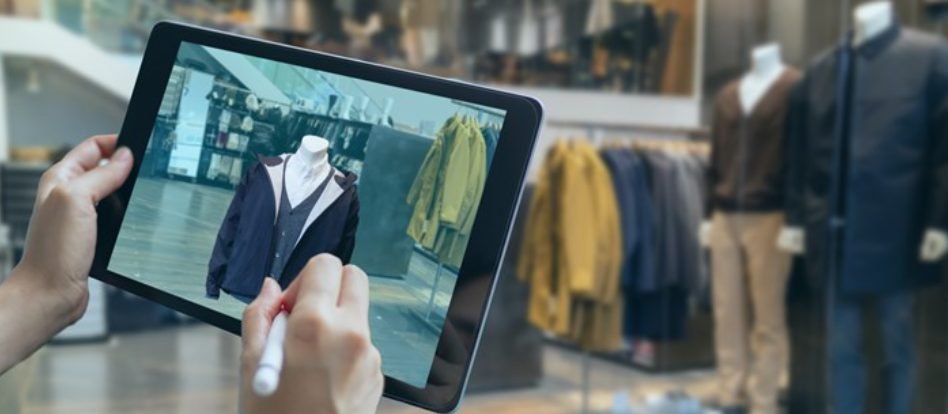
How Technology Is Changing the Way Consumers Discover Fashion Online

Fashion discovery has become increasingly digital. Consumers who once relied on physical stores, magazines, and seasonal catalogs now have access to an enormous amount of fashion information through search engines, social media, online communities, and specialized shopping platforms.
This change has affected more than where people shop. It has transformed the entire process of discovering, researching, and comparing fashion products.
Modern consumers often spend considerable time researching a product before making a purchase. They may compare photographs, measurements, materials, colors, styling options, and product specifications across several online sources.
The Fashion Shopping Journey Now Starts Online
For many consumers, the first interaction with a fashion product happens through a screen.
Someone might notice a handbag in a social media post, discover a watch in a video, or see a particular jacket worn by an influencer. Rather than immediately visiting a physical store, the consumer can search online to learn more about the design.
Search engines then lead shoppers to fashion publications, communities, product catalogs, and online platforms where additional information can be found.
This has created a shopping environment in which research and discovery often happen long before the final purchasing decision.
Large Catalogs Make Comparison Easier
Another important development is the growth of large digital fashion catalogs.
Consumers interested in several categories no longer need to search separately for every product. A well-organized platform can allow users to browse clothing, bags, watches, shoes, jewelry, and accessories within the same environment.
For example, Korean consumers researching international fashion products may use platforms such as BAETTAEGI to explore a broad catalog and compare different styles, categories, and product information.
The ability to compare products in one place can be particularly useful when consumers are still deciding which style, size, color, or design best suits their preferences.
Consumers Want More Product Information
Online shoppers are also becoming increasingly detail-oriented.
A handbag shopper might want to know its exact dimensions, leather type, interior structure, hardware details, and strap length. Someone researching a watch may examine the case size, dial layout, bracelet construction, and technical specifications.
For clothing, accurate measurements are especially important. Shoulder width, chest measurements, sleeve length, overall length, and fabric composition can all influence whether an item is suitable for a particular shopper.
Providing this information helps consumers make more informed comparisons.
Visual Search Is Becoming More Important
One of the challenges of fashion search is that consumers do not always know the name of the product they are looking for.
They may have only a photograph.
This is where visual search technology can become valuable. Instead of describing an item with keywords, consumers can use an image as the starting point for discovering visually similar products.
Image recognition systems can analyze characteristics such as shape, pattern, color, and design features before searching a large catalog for possible matches.
For fashion platforms containing thousands of products, this can make product discovery considerably faster.
Social Media Has Created Global Fashion Trends
Social media has also removed many geographical barriers from fashion.
A trend emerging in Seoul, Tokyo, Paris, Milan, Shanghai, London, or New York can now reach consumers around the world almost immediately.
This has created a global fashion audience that is constantly exposed to new styles.
Short-form videos have made the process even faster. A particular handbag, pair of shoes, watch, or clothing style can suddenly attract international attention after appearing repeatedly in popular content.
Consumers then move from social media to search engines and fashion platforms to research the products they have discovered.
Better Search Creates a Better Shopping Experience
As fashion catalogs become larger, simply having more products is not enough.
Consumers need effective ways to navigate them.
Category filters, brand navigation, keyword search, recommendations, and visual search can all help shoppers narrow thousands of products into a manageable selection.
Platforms that organize information effectively can therefore provide a better research experience than catalogs that simply display large numbers of products without useful navigation.
Fashion E-Commerce Will Continue to Evolve
The next stage of online fashion will likely combine increasingly sophisticated search technology with better product information.
Artificial intelligence may improve recommendations, while visual recognition can make image-based discovery more accurate. At the same time, consumers will continue expecting detailed photographs, measurements, specifications, and organized product categories.
The result will be an online fashion environment focused not only on purchasing products but also on helping consumers discover and understand them.
As technology continues to develop, the platforms that make fashion easier to search, compare, and research are likely to become increasingly important in the global shopping journey.